
Household Cleaning, Insecticide & Air Freshener Aerosols
Household Cleaning vs. Insecticide vs. Air Freshener Aerosols: A Buyer's Comparison
Short answer: household cleaning, insecticide and air freshener aerosols share a manufacturing platform, not a specification. In the product data confirmed for this comparison, LAYA's household cleaning aerosol QL-0000300 is a tinplate format offered at 300–600 ml in cans from ∮52×195 mm through ∮65×240 mm; the insecticide spray KB-0000600 is a tinplate format at 300–750 ml including a ∮65×300 mm can; and the air freshener ME-0000300 is a tinplate format built on a 52 mm × 195 mm can. Because fill ranges and can envelopes differ, the useful sequence for a buyer is intended use first, net content second, can dimensions third, and commercial terms last.
This guide is written for importers, distributors, private-label owners and procurement teams who are evaluating the three categories together, often because one supplier, one freight plan or one retail programme has to cover all of them. It deliberately puts price at the end of the list. A price per can is only meaningful once the can, the fill volume and the target scenario have been fixed, and across these three categories those three things are not the same.
Why these three aerosols get compared — and where the comparison breaks down
All three sit in the light-industry and daily-use family. They are filled on the same kind of aerosol line, drawn from the same tinplate can supply chain, and transported under the same flammable-aerosol classification that LAYA's risk documentation records as Class 2.1. That overlap is real, and it is the reason a single request for quotation often covers all three formats at once.
The overlap stops at the can and the fill. In practice, four specific points break a naive comparison:
- Fill range. A 300–600 ml range, a 300–750 ml range and a format whose confirmed specification does not state a fill volume cannot be compared on a per-can price, because each can contains a different amount of product.
- Can envelope. Household cleaning runs from ∮52×195 mm to ∮65×240 mm, insecticide reaches a ∮65×300 mm can, and air freshener is confirmed at 52 mm × 195 mm. Shelf height, case count and pallet configuration follow the envelope, not the category name.
- Compliance scope. Regulatory files attach to a product and a market, not to a supplier's overall certificate list. A document set that supports one category does not automatically support the other two.
- Acceptance criteria. If criteria are written before the model, fill volume and can dimensions are locked, the inspection plan measures the wrong reference and rejects conforming goods — or accepts non-conforming ones.
The practical consequence is that a difference of a few percent between three quoted prices can be entirely a difference in fill volume and can height rather than a difference in commercial terms. Normalising the quotation before comparing it is the step most often skipped.
The sourcing context behind the comparison
Category-level data explains why these three formats are sourced in volume, but it does not describe any individual supplier. Grand View Research projects the global aerosol market to reach USD 100.7 billion in 2026, a forecast figure for the whole category rather than a shipment forecast for any one product line.
Production data points the same way. The European Aerosol Federation reported European aerosol production of 3.46 billion units in 2024, a 4.2% year-on-year increase — a historical unit-volume figure for the reporting countries, useful as background on how large the filling base is, not as evidence of demand for a particular SKU.
Container material is where the published numbers need care. Grand View Research reports aluminium at a 61.0% revenue share in 2025 against steel at 39.0%, while a separate commercial estimate places steel ahead at 58% for industrial and commercial applications. The two figures are not measuring the same thing: one is revenue-weighted and skews toward premium personal-care formats, the other is oriented to high-volume industrial units. For this comparison the relevant point is narrower — all three formats specified here are tinplate, so the steel can supply chain remains the operative one for household, insecticide and air freshener projects, whatever the revenue split says about the wider market.
Market access adds a compliance layer. The EU Aerosol Dispensers Directive (75/324/EEC) requires pressure testing and specific labelling for aerosols sold in the EU. Buyers sourcing for other regions should ask which rules apply to the destination market and to the specific category, because the answer is not necessarily the same for a surface cleaner, an insect-control product and an ambient fragrance.
The three formats on confirmed specifications
Everything below is limited to the confirmed data for each format. Where the specification does not state a value, it is marked as unconfirmed rather than estimated.
Household cleaning aerosol — QL-0000300
The household cleaning aerosol QL-0000300 is a tinplate aerosol offered at 300–600 ml, with cans running from ∮52×195 mm through ∮65×240 mm. For a buyer, that reads as a single product family covering a two-step content ladder inside a defined can envelope: the smallest confirmed can is 52 mm in diameter and 195 mm tall, the largest confirmed can is 65 mm in diameter and 240 mm tall. A retail programme that centres on a 500 ml lead SKU sits inside the stated fill range, and the can choice then follows the fill volume plus the shelf and case plan rather than being fixed in advance.
Insecticide spray — KB-0000600
The insecticide spray KB-0000600 is a tinplate aerosol with a 300–750 ml fill range, and its confirmed can set includes a ∮65×300 mm format. Two details matter for procurement. First, 750 ml is the widest confirmed fill in this three-way comparison, which means the insecticide line can carry a larger single-unit payload than the household cleaning line without changing product category. Second, the ∮65×300 mm can shares its 65 mm diameter with the largest household cleaning can (∮65×240 mm) and differs in height, so the two formats are not interchangeable on a shelf or in a case even though their diameter matches.
Air freshener — ME-0000300
The air freshener ME-0000300 is a tinplate aerosol confirmed at 52 mm diameter × 195 mm height. That envelope is identical to the smallest confirmed household cleaning can, which is the single most useful observation in this section: the same can size appears in two different product categories, so a buyer must not assume the fill volume carries over. The confirmed specification for ME-0000300 does not state a net content, and that gap should be closed with the supplier before any quotation is treated as comparable. Requesting the fill volume that pairs with the 52×195 mm can is a five-minute question that prevents a mismatched order.
Taken together, the three specifications describe one material (tinplate), three fill ranges, and can envelopes that partially overlap in diameter but not in height. That is the whole basis on which a project-fit comparison can honestly be built from the confirmed data.

Side-by-side comparison of the three formats
| Format | Confirmed model | Material | Net content options | Confirmed can dimensions | Intended use | Project-fit signal |
|---|---|---|---|---|---|---|
| Household cleaning aerosol | QL-0000300 | Tinplate | 300–600 ml | ∮52×195 mm through ∮65×240 mm | Household surface and daily cleaning products | Two-step content ladder inside one can envelope; tallest can 240 mm |
| Insecticide spray | KB-0000600 | Tinplate | 300–750 ml | Includes ∮65×300 mm | Household insect-control products | Widest confirmed fill range; tallest confirmed can at 300 mm |
| Air freshener | ME-0000300 | Tinplate | Not stated in the confirmed specification | 52 mm × 195 mm | Ambient odour-control products | Smallest confirmed envelope; fill volume must be confirmed before quoting |
The table is a specification map, not a ranking. No column in it makes one format preferable to another, because preference depends on the shelf, the market and the use case — the subject of the next two sections.
A six-step workflow for locking project fit
The sequence below is designed so that each step constrains the next, and so that nothing commercial is agreed before the physical specification is fixed.
- Write the intended use and destination market. A household cleaning programme, an insect-control programme and an ambient fragrance programme answer to different buyers, different shelf conventions and potentially different documentation. Record the category and the market first; every later decision inherits them.
- Fix net content, not can size. Choose the fill volume from the confirmed range — 300–600 ml for QL-0000300, 300–750 ml for KB-0000600 — and treat the can as the container that follows. Choosing a can first and back-filling the volume is where mismatched orders begin.
- Match the fill to a confirmed can envelope. Use the stated dimensions as the boundary: ∮52×195 mm to ∮65×240 mm for household cleaning, up to the ∮65×300 mm format for insecticide, and 52 mm × 195 mm for the confirmed air freshener. If the intended fill has no confirmed pairing, that is a question for the supplier, not a gap to be filled by assumption.
- Confirm the material and container construction in writing. All three models are tinplate in the confirmed data. Ask for the can specification and the corresponding filling parameters rather than accepting a category-level description.
- Write acceptance criteria against the locked specification. Criteria should reference the model, the declared net content, the can dimensions, the label artwork and the applicable pressure and leak checks for the destination market. Criteria written as “standard export quality” cannot be inspected.
- Only then request and normalise quotations. Ask every supplier to quote the same model, the same fill volume and the same can format, and to state the unit basis (price per can at a stated millilitre figure). Prices quoted at different fill volumes are not comparable, and normalising them afterwards rarely recovers the truth.
Where each format fits a project
The following project profiles are illustrative, built from the confirmed specifications rather than from reported customer cases. They show how the workflow above resolves in practice.
A retail household cleaning line for a distributor
A distributor building a two-tier cleaning range — a compact entry size and a larger household size — has the QL-0000300 specification as a starting envelope: 300–600 ml across cans from ∮52×195 mm to ∮65×240 mm. The project-fit question is not “which is cheapest per can” but “which fill and can pair with the shelf and case plan I have already sold to my retail accounts”. LAYA's stated export footprint includes Central Asia, the Middle East, Africa, Russia and Brazil, markets where shelf formats vary, so the can envelope should be checked against the actual retail fixture rather than against a general assumption.
An insect-control programme with mixed unit sizes
Where a programme needs both a compact unit and a larger household unit from one product family, the KB-0000600 range is the widest in this comparison at 300–750 ml, and the ∮65×300 mm can is the tallest confirmed format. That combination suits a portfolio that spans a small domestic pack and a larger seasonal pack without introducing a second product family. Because the 65 mm diameter is shared with the largest household cleaning can, mixed pallets of the two categories can share some handling assumptions but not height or case-count assumptions.
An ambient fragrance range on a compact can
For air freshener programmes driven by limited shelf space, ME-0000300 is confirmed on a 52 mm × 195 mm tinplate can, the same envelope as the smallest household cleaning can. The compact dimensions suit pilasters, counter units and travel-format retail. The open item is net content: it is not stated in the confirmed specification, so the fill volume must be agreed before artwork, case counts or cost per unit can be settled.
What this comparison does not decide
A specification comparison is not an offer, and several things a buyer needs are outside the confirmed data set:
- Price and cost per unit. No comparable public pricing exists for these formats. Unit price depends on fill volume, can format, order quantity, artwork and destination, and is quoted per project.
- Minimum order quantity, tooling and lead time. These are project terms and should be requested in writing against the locked specification, not inferred from capacity statements.
- Formulation performance and test evidence. Safety data sheets, formulation details, stability data and category-specific test reports are product documents to be requested per category.
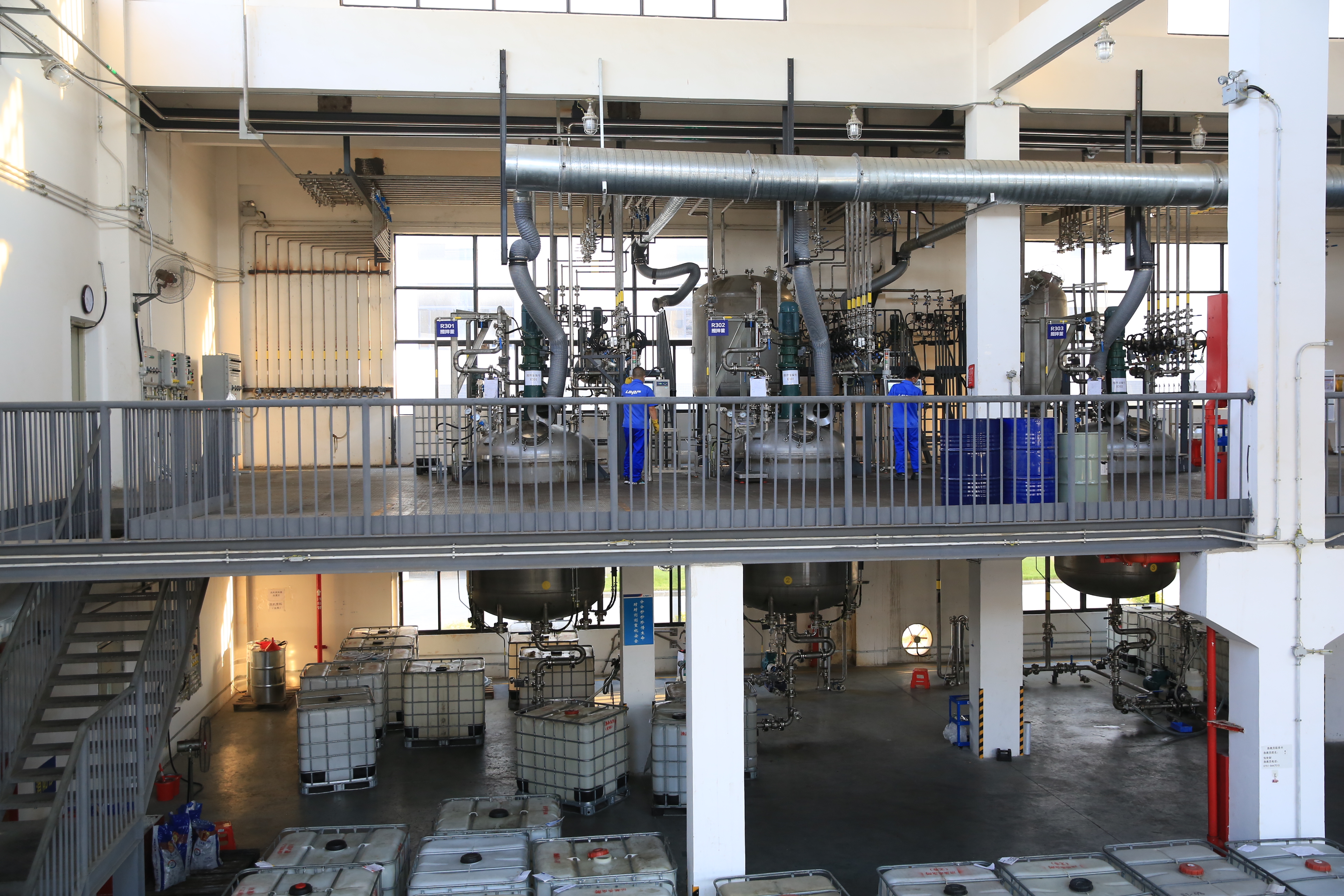
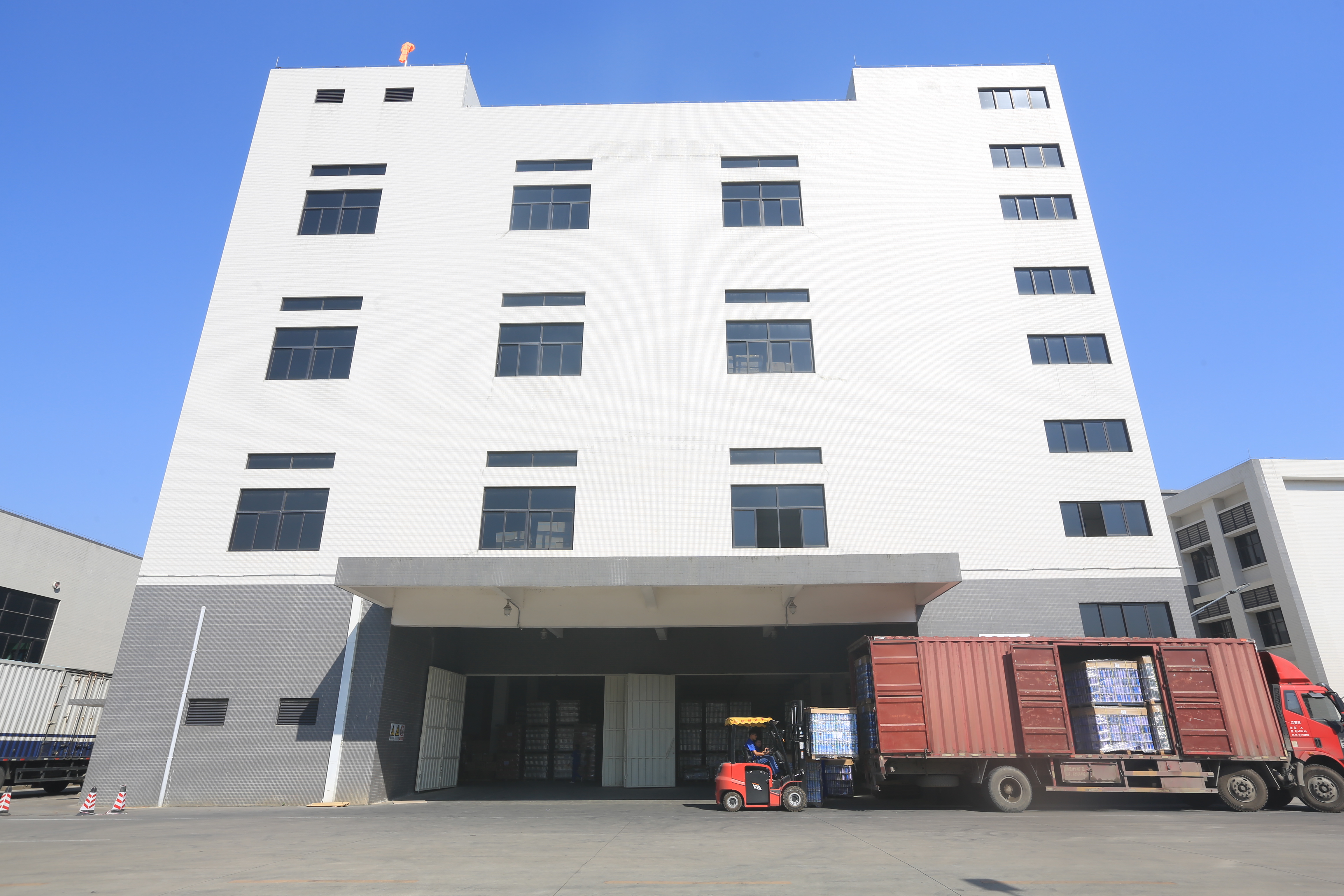
- Capacity as a delivery guarantee. LAYA reports a 100,000 m² facility including 50,000 m² of workshops, 14 advanced filling lines and an annual output of 200 million cans, plus 4 product development laboratories and 7 analytical testing laboratories. These are company-reported capability figures; they support a supplier qualification decision, and they do not by themselves confirm available capacity, utilisation or on-time delivery for a specific order.
Compliance and transport: what changes between the three categories
Aerosols sold in the EU must satisfy the Aerosol Dispensers Directive (75/324/EEC), which requires pressure testing and specific labelling. That requirement attaches to the aerosol as a dispenser, and a buyer should confirm that the test and labelling evidence supplied covers the specific model and fill volume being purchased rather than the supplier's portfolio in general.
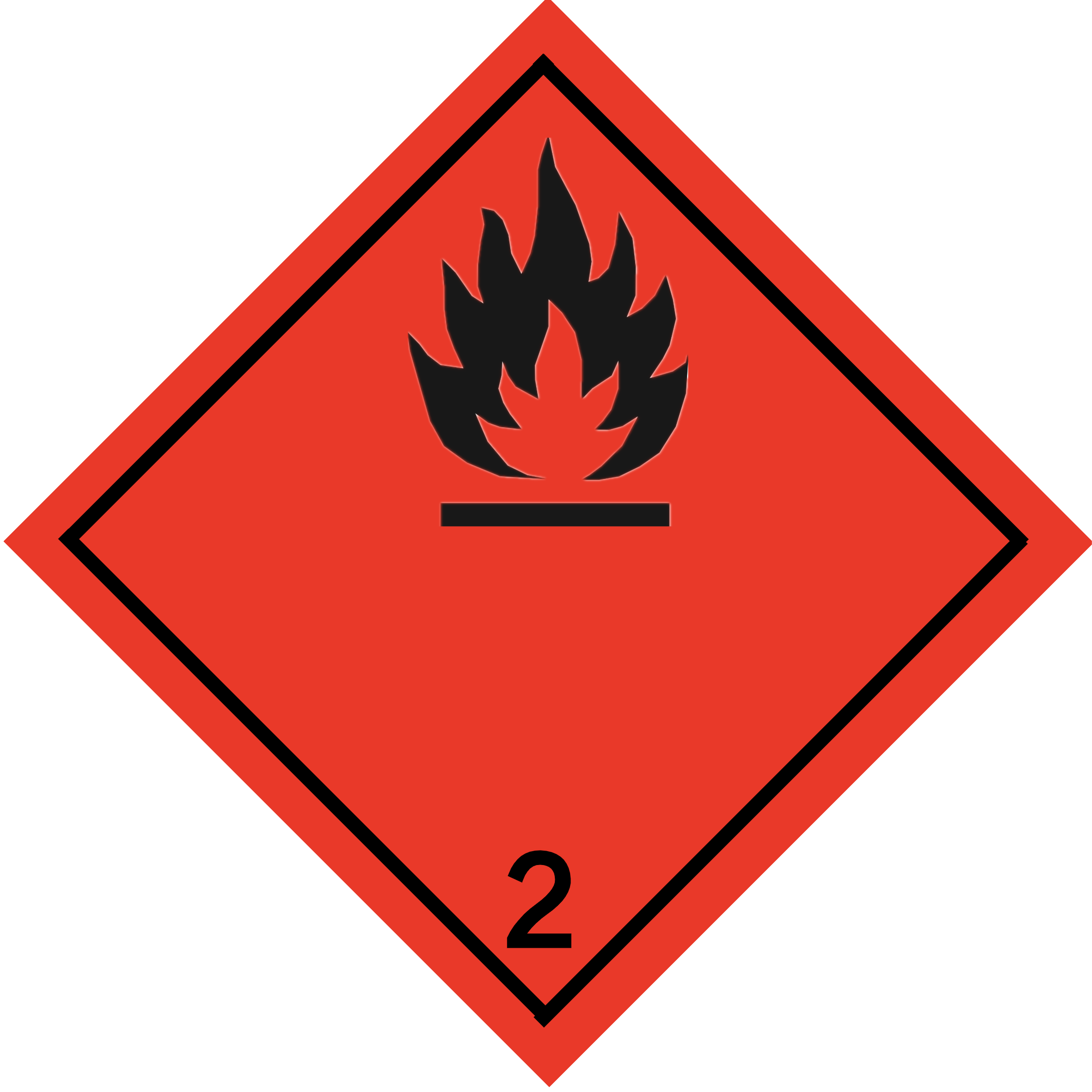
Transport is a second layer. LAYA's risk documentation classifies these products as Class 2.1 flammable aerosols and lists pressure-vessel safety design, flame-retardant formulation, leak-proof sealing, temperature-controlled packaging and electrostatic protection among the control methods. The same documentation describes the company's safety measures: a dedicated safety management team, regular employee safety training and emergency drills, fire-safety and monitoring systems, production supervision, and third-party safety audits. For a buyer, the practical use of this information is documentary — ask for the dangerous goods transport documents and labels that will accompany the shipment, and check that the shipping mode and packaging are consistent with a Class 2.1 classification.
Category documentation is the third layer. A supplier's overall system certifications describe its management systems; they do not automatically demonstrate that a particular insecticide, cleaning or fragrance product meets a particular market's requirements. LAYA reports comprehensive system certification together with an independent R&D laboratory and professional OEM/ODM services, and it supports customers with the dangerous goods logistics and documentation that aerosol shipments require. Those are company-reported credentials, and the verification step is the same for any supplier: request the certificate scope, the validity period and the category-specific test documents that apply to your product.
FAQ
Do the three formats need different compliance files?
Yes, in scope if not always in format. The aerosol dispenser itself must meet the applicable dispenser rules — in the EU, Directive 75/324/EEC requires pressure testing and specific labelling — while the product inside is assessed against the rules that apply to its category and destination market. Ask for documents that name the specific model and fill volume, and treat a portfolio-level certificate summary as an index rather than as evidence.
Can one manufacturer supply all three formats?
LAYA reports an eight-category aerosol portfolio that includes insecticide spray, air freshener and household cleaning aerosol, supported by 14 advanced filling lines, 4 product development laboratories, 7 analytical testing laboratories and an annual output of 200 million cans. In the confirmed data, all three formats in this comparison are tinplate. Sourcing them together is therefore technically coherent, but each model still needs its own specification confirmation and documentation check.
How should cost be compared across the three formats?
Compare within a fixed specification. Because the confirmed fills differ — 300–600 ml for QL-0000300, 300–750 ml for KB-0000600, and an unstated fill for ME-0000300 — a per-can price mixes product quantity with packaging cost. Normalise to a stated fill volume and can format before comparing suppliers, and ask for the quotation to state both. LAYA states that standardised production controls overall cost and that formulations and packaging can be customised to match different budget levels, so the lever is the specification you choose, not a list price.
What should a sample evaluation cover?
Check the sample against the same criteria you will use in acceptance: the can dimensions against the confirmed envelope, the declared net content against the actual fill, the label and artwork position on the can, and spray performance under conventional working conditions — LAYA describes stable spray performance and reliable product performance in conventional working environments for its finished aerosols. Confirm that the sample travelled with the correct dangerous goods documentation, since a sample shipment is subject to the same Class 2.1 transport requirements as a commercial order.
How do I get a lead time I can plan around?
Request it in writing, tied to the locked specification: model, fill volume, can format, order quantity, artwork status and destination. Company capacity figures such as 200 million cans per year and 14 filling lines indicate production scale; they are not a delivery commitment for your order. Ask for the acceptance criteria and the delivery schedule in the same document so that both are agreed against the same specification — you can review the company profile in the LAYA product brochure, and send the locked specification to the team for a sample and quotation.
Conclusion
Household cleaning, insecticide and air freshener aerosols are close relatives on the production line and distant relatives on the specification sheet. The confirmed data makes the difference concrete: QL-0000300 at 300–600 ml in cans from ∮52×195 mm to ∮65×240 mm, KB-0000600 at 300–750 ml including a ∮65×300 mm can, and ME-0000300 on a 52 mm × 195 mm can with the fill volume still to be confirmed. All three are tinplate, and two of them share an identical can envelope while carrying different products.
That is why the decision order matters more than the price column. Fix the intended use and market, fix the net content, match it to a confirmed can dimension, write acceptance criteria against that locked specification, and only then compare quotations on the same unit basis. Buyers who follow that order get comparable numbers and inspectable goods; buyers who start with price usually end up re-quoting.
Established in 1992, Guangdong Laya New Chemical Technology Co., Ltd. is a Chinese national high-tech enterprise working in aerosol R&D, manufacturing and OEM/ODM services, with a reported 100,000 m² facility and a portfolio spanning insecticide spray, air freshener, household cleaning, industrial maintenance, car care, disinfectant, aviation and spray paint aerosols. Buyers who want to move from comparison to confirmation can review LAYA's aerosol manufacturing and OEM services, then send the locked model, fill volume, can dimensions and target scenario for a sample and a like-for-like quotation.
Have Questions or Need More Details?
Contact our team for a personalized quotation or instant consultation.
Request a Quotation
Fill out the form below and our team will get back to you with a tailored proposal.
WhatsApp Direct Chat
Prefer to chat in real-time? Message us on WhatsApp for instant assistance & quick answers.
- Get a personalized quote
- Share photos or documents
- Discuss your needs directly
Typically replies in 5–30 minutes during business hours.