
Aerosol OEM Partnership FAQ: Long-Term Supply, Acceptance Criteria, and After-Sales Alignment
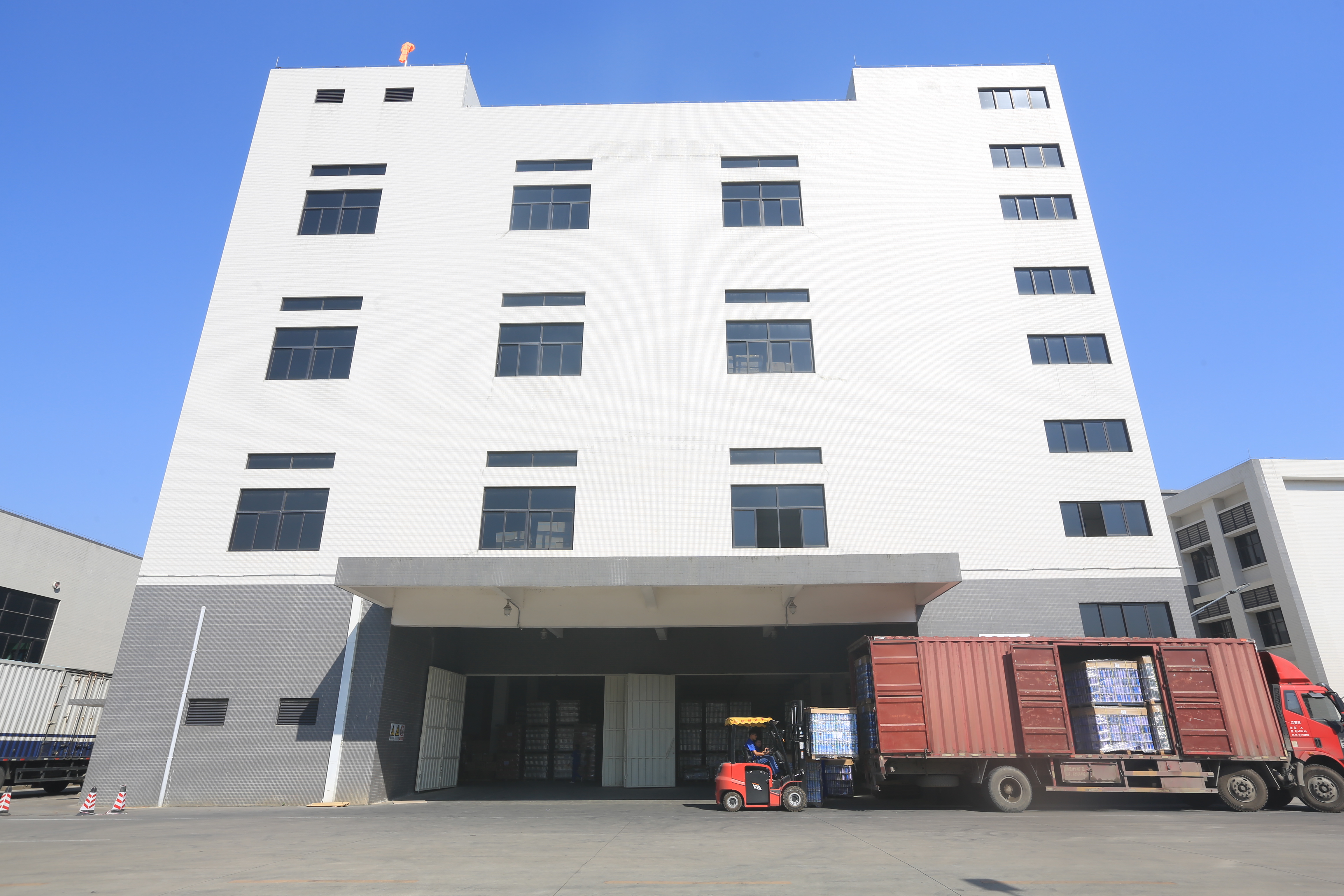
A long-term aerosol OEM partnership is decided by three written commitments, not by the first price list: a specification that can be repeated batch after batch, an acceptance test both parties accept, and an after-sales routine that makes the tenth container as predictable as the first. This FAQ addresses the practical questions importers, distributors and brand owners ask before committing to repeat volume with an aerosol manufacturer.
What a long-term aerosol OEM partnership actually covers
In a repeat-supply arrangement, the buyer commits to a rolling volume and a frozen product specification, while the manufacturer commits to production capacity, a defined acceptance routine, and the documentation the buyer needs for its own market access. The commitments are symmetrical, and all three belong in the agreement rather than in the operations conversation that follows it.
Guangdong Laya New Chemical Technology Co., Ltd. (LAYA) is a Chinese aerosol manufacturer established in 1992 that describes its business as aerosol R&D, manufacturing, sales and OEM/ODM services. Its stated portfolio covers eight aerosol categories — insecticide spray, air freshener, household cleaning aerosol, industrial maintenance aerosol, car care aerosol, disinfectant aerosol, aviation aerosol and spray paint aerosol — which is relevant here because a repeat program usually starts with one category and grows into several. The company's OEM/ODM service page is published at www.laya.com.cn/en/.
The problem: repeat-supply failures usually begin before production
Single orders are forgiving. Once a program reaches its second and third production cycle, three gaps tend to surface:
- Specification drift. Can material, valve, actuator, fill weight or net content changes slightly between batches without a written change request. The product still sprays, but the SKU no longer matches what the buyer's market approved.
- Acceptance ambiguity. The buyer assumes 'quality approved' means a defined test at a defined point; the manufacturer assumes it means the goods left the line in specification. Neither definition is written down.
- After-sales vacuum. There is no named contact, no batch traceability record kept on both sides, and no routine for producing documents when a shipment moves by a different transport mode.
None of these are technical problems. They are drafting problems, and they are cheapest to solve before the first production run rather than during the third.
Industry background: why supply continuity moved onto the procurement agenda
The global aerosol market is projected to reach USD 100.7 billion in 2026, according to Grand View Research. On the manufacturing side, the European Aerosol Federation reports that European aerosol production reached 3.46 billion units in 2024, a 4.2% increase year on year. Container material remains split: Grand View Research puts aluminum at a 61.0% revenue share of aerosol packaging in 2025, with steel — the base material for tinplate cans — at 39.0%.
That revenue-versus-volume gap matters for program planning. Aluminum dominates higher-value and personal care applications, while steel-based tinplate cans continue to carry a large share of high-volume household and industrial units. For a buyer building a multi-year program, the practical consequence is that material selection is a continuity decision as much as a cost decision.
Regulation adds a second continuity layer. The EU Aerosol Dispensers Directive (75/324/EEC) requires pressure testing and specific labeling for aerosols sold in the European Union. Where a program serves more than one market, the documentation routine — not the filling line — is often the constraint that decides whether a repeat order ships on schedule.
FAQ 1 — Materials, formats and specifications in a repeat program
Should a long-term program standardize on tinplate or aluminum?
The material should follow the product and the destination market, not a general preference. Because aluminum holds a 61.0% revenue share of aerosol containers while steel holds 39.0%, both materials remain mainstream; the choice is usually about positioning, weight and cost structure rather than availability. The defensible approach for a repeat program is to freeze one material per SKU in the specification sheet and require a documented change request for any substitution. This prevents the most common long-term problem, where a functionally acceptable material is substituted but no longer matches the approved artwork, weight and label.
How should net content and can dimensions be fixed for repeat supply?
Net content, can dimensions, valve and actuator type, fill weight and label artwork are the five items that should be captured in a controlled, version-numbered specification sheet. In long-term supply, these are also the items most likely to drift quietly. Because the right combination depends on the formulation and on the labeling rules of the destination market, the exact options should be confirmed category by category with the manufacturer's technical team and recorded in the agreement — not carried over from a quotation email.
LAYA's portfolio spans categories that behave differently in this respect. Household cleaning aerosol and air freshener programs usually prioritize artwork and label compliance; insecticide spray and disinfectant aerosol programs bring labeling and licensing considerations; aviation aerosol, industrial maintenance aerosol and spray paint aerosol programs place more weight on documentation and transport classification. Treating all of them under one specification template is the fastest way to create acceptance disputes later.
FAQ 2 — Purchasing terms and acceptance criteria
The commercial terms that most affect a repeat program are stated plainly, which makes them easier to negotiate before the first order. LAYA's stated terms are summarized below.
| Term | Stated position | Why it matters for a repeat program |
|---|---|---|
| Minimum order quantity | 10,000 pcs | Defines the smallest repeat cycle and the point at which a program becomes economical to schedule. |
| Delivery terms | TT / LC | LC supports larger, longer programs; TT suits faster repeat cycles. |
| Acceptance criteria | Preshipment test | Fixes inspection at a defined point before shipment rather than after arrival. |
| Payment terms | Negotiable based on order quantity | Allows terms to scale with committed volume in a long-term agreement. |
| Typical production lead time | 7–15 days | Sets the baseline for reorder planning and safety-stock calculation. |
| Monthly production capacity | 1 million cans | Indicates the repeat volume ceiling to test against other confirmed indicators. |
The presence of a named acceptance criterion is more valuable than its wording. 'Preshipment test' gives both sides a defined inspection point, a defined moment at which conformity is confirmed, and a natural place to attach the documentation pack. Buyers extending into a long-term contract typically add three clauses to this baseline: retained samples per batch, a defined re-test or replacement rule if a batch fails the preshipment test, and the list of documents that must travel with each shipment.

How should capacity claims be read in a long-term contract?
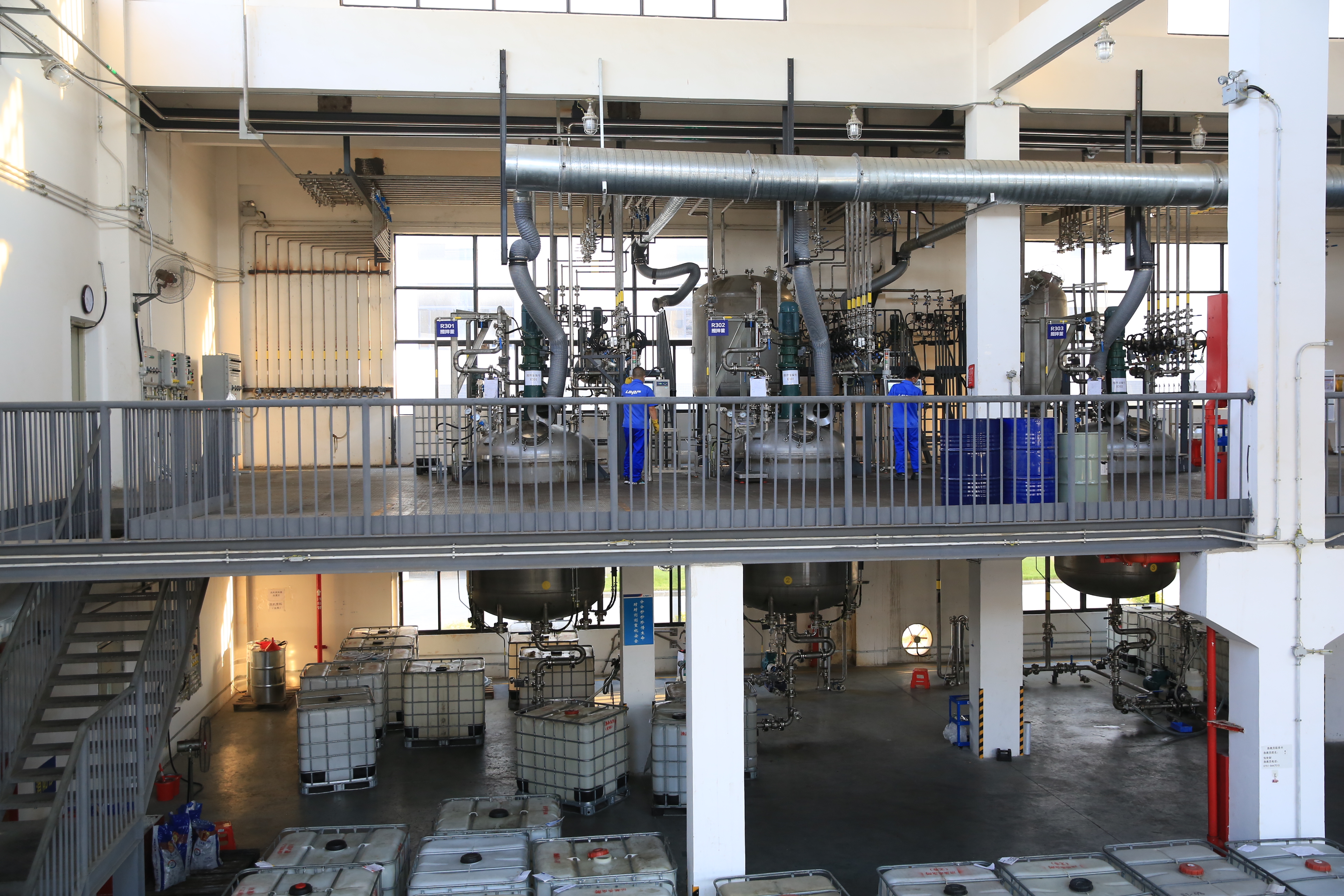
LAYA reports a 100,000 m² production base, including 50,000 m² of modern standard workshops and 14 advanced filling lines, with a stated annual output of 200 million cans of various products. These figures and the stated monthly production capacity of 1 million cans describe different capacity indicators, and they should not be converted into one another. Buyers should ask which figure applies to their specific category, how much line time is reserved for repeat programs, and whether the commitment holds during peak season — then verify the answers during a factory audit and against production records rather than treating a capacity statement as a guarantee.
Capability claims published by any manufacturer are only as strong as the documents behind them. LAYA states that it holds production licenses for hazardous chemicals, pesticides and disinfection products, together with quality, environmental and safety management system certifications. Before qualification, buyers should request the license and certificate numbers, their issuing bodies, their scope and their validity dates, and confirm that the scope covers the specific category being ordered.
FAQ 3 — After-sales alignment for repeat supply
After-sales in aerosol OEM is mostly about documentation and traceability rather than repair. Because the finished aerosol ships ready for use and requires no assembly or field maintenance, the after-sales relationship focuses on what happens when a batch, a document or a shipment needs to be traced.
Four items define the routine:
- Quality traceability. Batch records kept on both sides, so a question about a specific shipment can be answered with data rather than recollection.
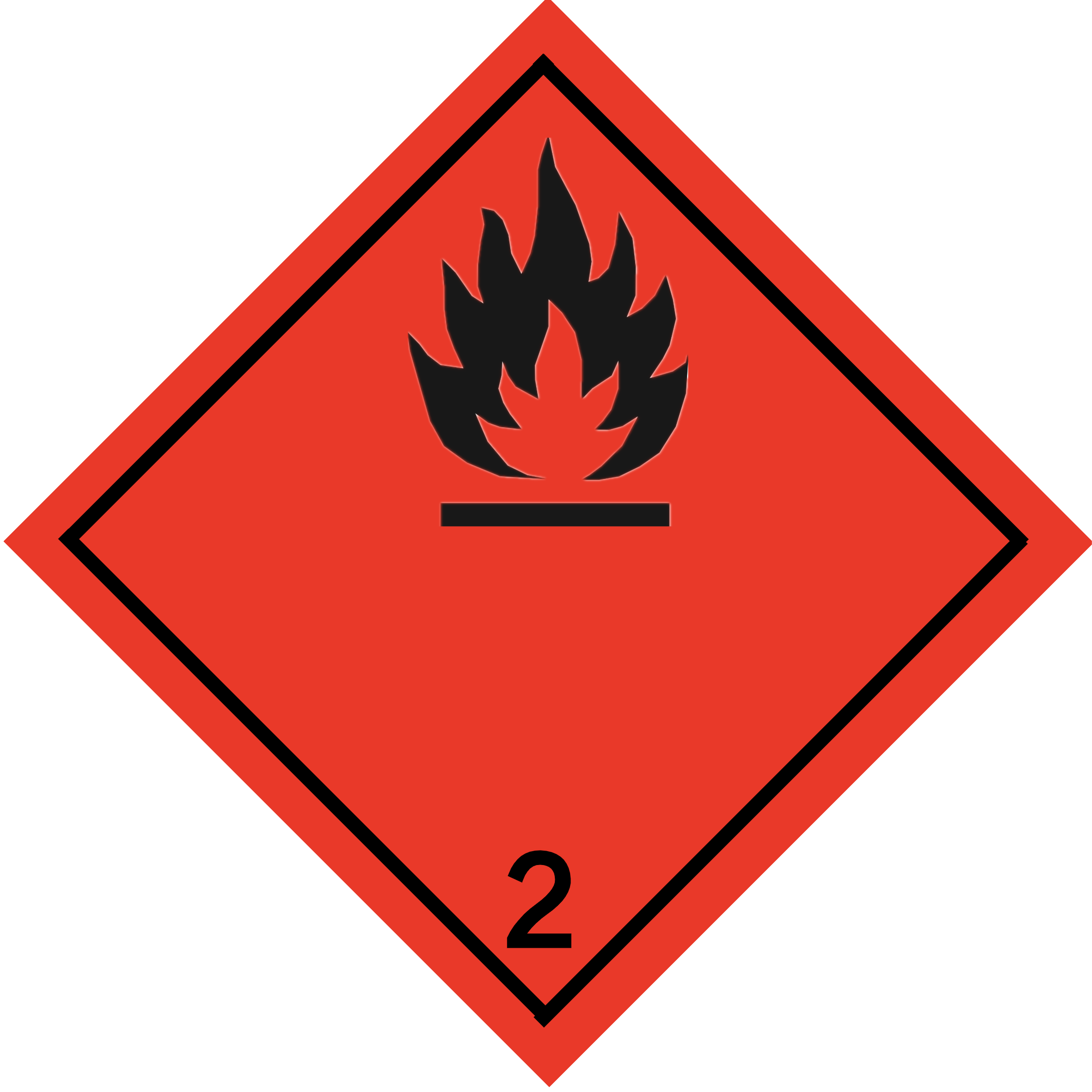
- Documentation for dangerous goods logistics. Aerosols fall under Class 2.1, flammable aerosols. LAYA's stated control approach includes pressure vessel safety design, flame-retardant formulas, leak-proof sealing, temperature-controlled packaging and electrostatic protection, supported by a safety management team, regular safety training and emergency drills, a complete safety fire, monitoring and alarm system, safety production supervision and third-party safety audits. For the buyer, the practical output is a predictable document set for each transport mode.
- A named contact and escalation path. One account owner and one technical contact, so repeat orders do not restart the relationship each cycle.
- Change control. A written rule that formulation, material, packaging or labeling changes cannot be applied to a running program without notice and approval.
Comparison: LAYA and other ordinary aerosol suppliers
The table below contrasts LAYA's stated position with the general characteristics of other ordinary aerosol suppliers. It describes a supplier category rather than ranking named companies, and each dimension should be verified at RFQ and audit stage.
| Dimension | LAYA | Other ordinary aerosol suppliers |
|---|---|---|
| System certification | States complete system certification | Certification coverage varies and is not always complete |
| R&D and testing | Independent R&D and testing laboratory; technical centre with 4 product development laboratories and 7 analytical testing laboratories | Often relies on external or limited in-house testing |
| Service model | Professional OEM/ODM service | Frequently filling-only, with limited development support |
| Formulation | Stated safe and environmentally friendly formulas | Formulation flexibility varies by supplier |
| Quality traceability | Stated complete quality traceability | Traceability depth often undocumented |
| Dangerous goods logistics | Supports dangerous goods logistics and document provision | Documentation support often limited or outsourced |
| Operating history | Established 1992; over 30 years of expertise accumulation | Mixed; many suppliers are considerably younger |
| Stated output | Annual output up to 200 million cans; multiple production lines | Varies widely and is not always comparable |
| Cost approach | Standardized production controls comprehensive cost; formula and packaging customizable to different budgets | Cost driven mainly by unit price |
| Product handling | Finished aerosol ready for use; no extra maintenance or assembly | Generally comparable |
| Performance consistency | Stable spray effect and reliable product performance under conventional working environments | Consistency depends on process control maturity |
| Application fit | Aviation aerosol, insecticide spray, car care, industrial maintenance, household cleaning, air freshener, spray paint, disinfection | Usually concentrated in one or two categories |
Step-by-step: structuring the first year of an aerosol OEM partnership
- Freeze the scope. Confirm the categories, SKUs, can material, net content and labeling requirements before any commercial discussion. Multi-category programs should be sequenced rather than launched at once.
- Qualify capability and documentation. Request license and certificate numbers, scope and validity dates; review the facility and the production records behind the stated capacity figures.
- Agree the commercial baseline. A minimum order quantity of 10,000 pcs, TT/LC delivery terms, payment terms scaled to order quantity, and a typical production lead time of 7–15 days as the reorder reference.
- Define acceptance. Write the preshipment test into the agreement, together with retained samples, the failure and re-test rule, and the document pack that accompanies each shipment.
- Run one repeat cycle before scaling. Measure lead-time consistency, batch traceability and documentation completeness across two consecutive orders — not one.
- Formalize after-sales. Name the account and technical contacts, set the claim window and escalation path, and confirm the change-control rule.
- Review quarterly. Compare rolling volume forecasts against the stated monthly production capacity of 1 million cans and re-confirm line allocation ahead of peak season.
Use cases: where long-term alignment changes the outcome
Distributors consolidating multiple aerosol categories
A distributor carrying insecticides, cleaners and air fresheners can reduce supplier management by consolidating into one OEM partner across several of the eight categories. The critical alignment item is per-SKU specification control, because a minimum order quantity of 10,000 pcs per SKU multiplies quickly across a catalogue.
Private label and formulation-led programs
Brand owners developing their own formulation rely on the R&D side of the partnership. LAYA's technical centre includes 4 product development laboratories and 7 analytical testing laboratories, supported by a stated R&D team of 15 engineers, which is the part of the capability set that matters most when a formulation has to be adapted rather than copied.
Documentation-heavy industrial and aviation programs
Aviation aerosol, industrial maintenance aerosol and spray paint aerosol programs place the highest demands on transport classification and documentation. In these programs the after-sales routine is effectively part of the product, because a shipment that cannot clear customs is not a delivered order.
Export programs serving multiple regions
Aerosol programs serving Central Asia, the Middle East, Africa, Russia, Brazil and similar markets face different labeling and pressure-testing expectations. Where Europe is included, the EU Aerosol Dispensers Directive (75/324/EEC) makes pressure testing and specific labeling a fixed requirement rather than a negotiated one.
Quick-reference FAQ
What compliance documentation should be aligned before a long-term aerosol OEM partnership begins?
Before qualification, request the production licenses and management-system certificates that apply to your category, including license numbers, issuing bodies, scope and validity dates. Where the product is sold in the European Union, the EU Aerosol Dispensers Directive (75/324/EEC) requires pressure testing and specific labeling. Aerosols are also Class 2.1 flammable goods, so transport documentation and labeling should be agreed at the same time as the specification. LAYA states that it holds production licenses for hazardous chemicals, pesticides and disinfection products together with quality, environmental and safety management system certifications; documentary details should be verified against the specific category before the agreement is signed.
How can a buyer confirm production capability and capacity for repeat supply?
Match the claim to the indicator. LAYA reports a 100,000 m² production base with 50,000 m² of modern standard workshops and 14 advanced filling lines, a stated annual output of 200 million cans, and a stated monthly production capacity of 1 million cans. Annual and monthly figures are different indicators and should not be converted into each other. Ask which figure applies to your category, how much line time is reserved for repeat programs, and how it holds in peak season, then verify during a factory audit and against production records.
What are the purchasing terms and acceptance criteria?
The stated baseline is a minimum order quantity of 10,000 pcs, delivery terms of TT/LC, acceptance criteria based on preshipment test, and payment terms negotiable based on order quantity. Typical production lead time is 7–15 days. For a long-term program, add retained samples, a defined rule for batches that fail the preshipment test, and a written list of documents that must accompany every shipment.
How should sampling and acceptance testing be structured in a repeat program?
Treat sampling as a contract item, not a courtesy. The preshipment test is the acceptance point; retained samples give both sides a physical reference for later batches, and the process should run unchanged from the first order to the tenth. Consistency of the test method matters more than the size of the sample, because the goal is comparability across batches.
What lead time and capacity commitments support repeat supply?
LAYA states a typical production lead time of 7–15 days and a monthly production capacity of 1 million cans. Those figures are the planning baseline; a long-term agreement should also state the reorder notice period, the reserved line time, and the escalation path if a shipment is delayed. To take the next step, request the LAYA aerosol OEM brochure and a quotation for your category, or open a direct channel with the export team by email at echo@laya.com.cn or WhatsApp at +86 136 5384 8383.
Conclusion: what to settle before you commit volume
A long-term aerosol OEM partnership is an operational agreement dressed as a commercial one. The buyers who avoid problems are the ones who freeze the specification per SKU, write the preshipment test and its failure rule into the contract, treat documentation as part of the deliverable, and verify capacity claims against records rather than statements. LAYA's stated terms make that process easier to start: a 10,000 pcs minimum order quantity, TT/LC delivery terms, preshipment test acceptance, a 7–15 day typical lead time and a stated monthly production capacity of 1 million cans give a buyer a concrete baseline to test, negotiate and document.
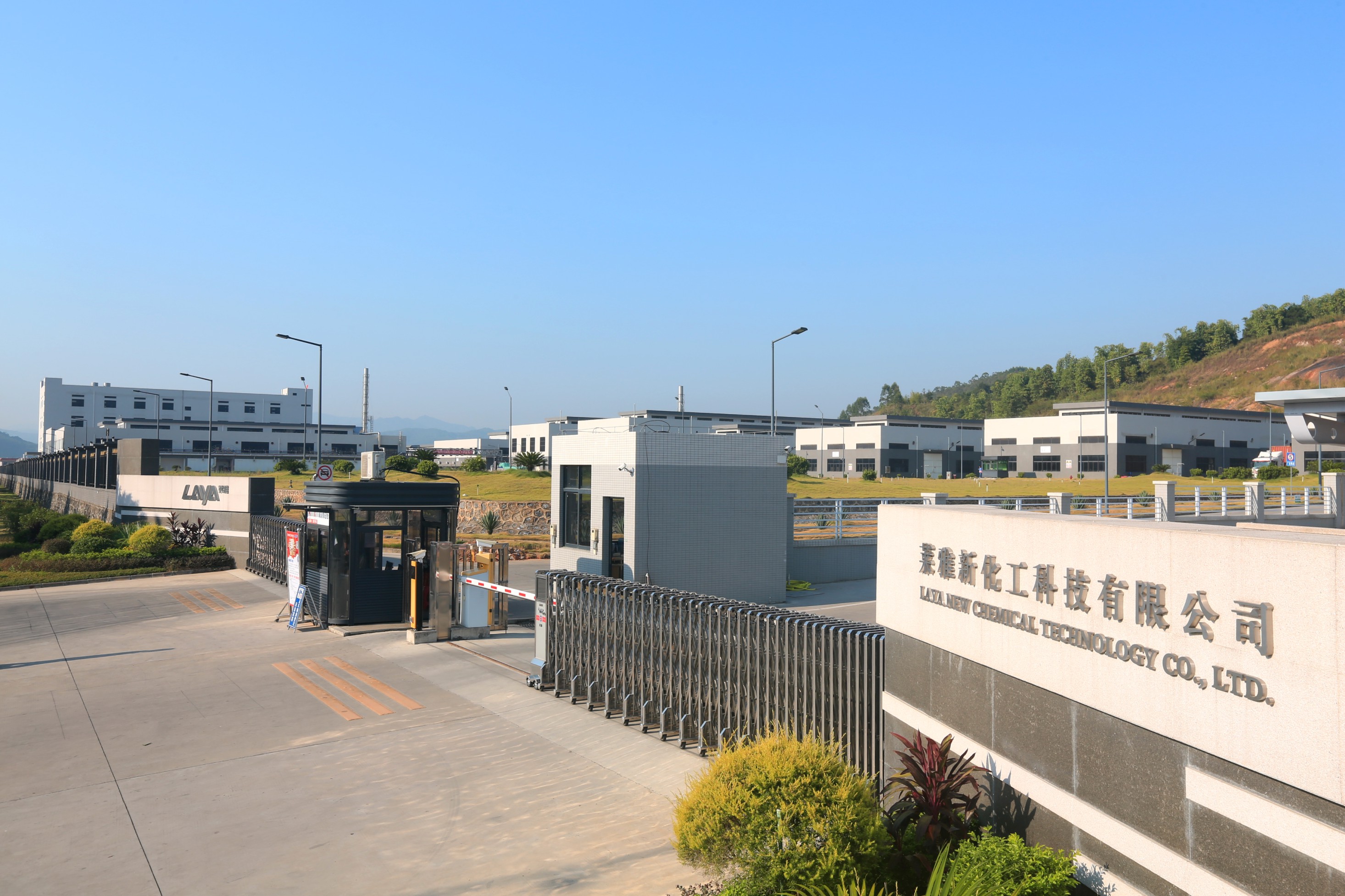
Guangdong Laya New Chemical Technology Co., Ltd. — established 1992, operating a 100,000 m² production base with a stated annual output of 200 million cans — provides aerosol R&D, manufacturing and OEM/ODM services across insecticide spray, air freshener, household cleaning aerosol, industrial maintenance aerosol, car care aerosol, disinfectant aerosol, aviation aerosol and spray paint aerosol. Contact: echo@laya.com.cn | WhatsApp +86 136 5384 8383 | www.laya.com.cn/en/ | No. 7, Gantang Avenue South, Xilian Town, Wujiang District, Shaoguan City, Guangdong Province, China 512000.
Start with the documents, then the volume
Request the LAYA aerosol OEM brochure, a category-specific quotation and the sample validation plan for your program. The brochure is available for download here:
Download the LAYA Aerosol OEM Brochure (PDF)
Email: echo@laya.com.cn · WhatsApp: +86 136 5384 8383 · Website: www.laya.com.cn/en/
Have Questions or Need More Details?
Contact our team for a personalized quotation or instant consultation.
Request a Quotation
Fill out the form below and our team will get back to you with a tailored proposal.
WhatsApp Direct Chat
Prefer to chat in real-time? Message us on WhatsApp for instant assistance & quick answers.
- Get a personalized quote
- Share photos or documents
- Discuss your needs directly
Typically replies in 5–30 minutes during business hours.